
December 17th, 2025
When it comes to buying or selling a home, most people are fixated on one thing: getting the best deal possible. This mindset isn’t surprising, especially considering that real estate transactions are often one of the largest financial moves we make in our lives. For sellers, the allure of the “lowest real estate commission” can be an enticing prospect. Why not save on commission fees, right? However, when it comes to real estate, “lowest commission” isn’t always synonymous with “cheapest option.”
It’s important to look beyond the surface and understand how commission structures impact the quality of service, the overall deal, and even your final profit. Here, we’ll explore why opting for the lowest commission real estate offering may not always work in your favor and provide insights into making a smarter decision.
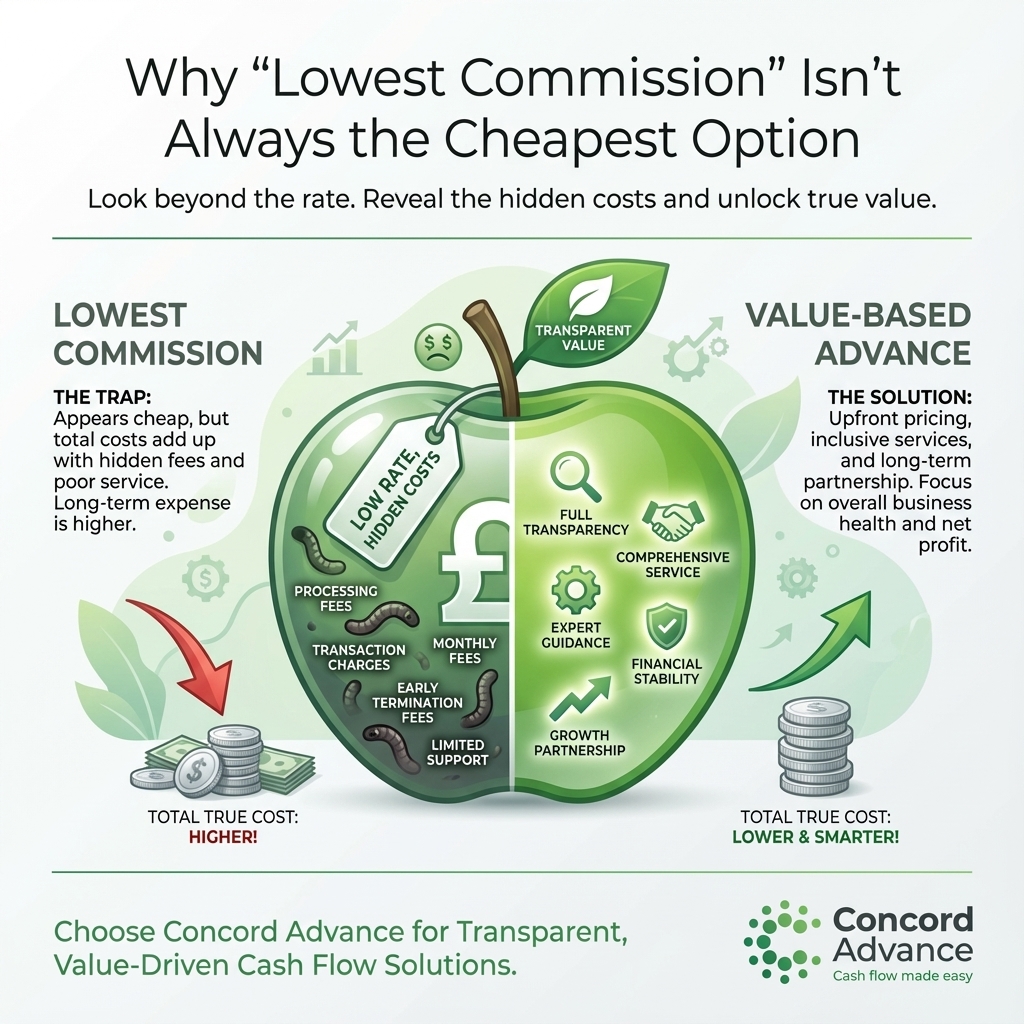
Understanding the Real Estate Commission Structure
Real estate agents are generally compensated through commissions, which are typically a percentage of the sale price of the home. This percentage varies depending on market norms and individual agreements between sellers and agents. While average commission rates can range between 5% to 6%, some agents or discount brokerages may offer enticing lower rates of around 3%, or even flat fees.
At first glance, a lower commission might seem like a straightforward way to save thousands of dollars. But there’s a catch. Real estate agents are not merely salespeople. Their responsibilities include marketing your property, negotiating on your behalf, navigating legal paperwork, coordinating services such as inspections and appraisals, and ensuring the process goes smoothly from start to finish. Lower commission rates often cut corners in these essential areas, which can impact the outcome of your sale.
The True Cost of the “Lowest Commission” Option
The problem with many “lowest commission real estate agents” is that their reduced fees often mean reduced service. Here’s how aiming for the cheapest commission rate can end up being a costly mistake in various ways.
Limited Marketing and Exposure
Marketing is one of the most crucial elements in selling your home. A skilled real estate professional will invest in professional photography, videography, staging consultations, social media promotion, and paid advertisements to ensure your property stands out in a competitive market.
Agents charging a lower commission may not have the budget or motivation to invest heavily in marketing your home, which can reduce visibility to potential buyers. Less exposure means fewer offers and the likelihood of settling for a lower sale price than you could have achieved with robust marketing efforts.
Less Skilled Negotiation
Real estate negotiations can directly impact your bottom line. The goal should always be to sell your home at the best possible price, with favorable terms. However, a real estate agent offering rock-bottom commission rates may lack the experience or time to fully advocate for your interests during negotiations.
This could lead to scenarios where you accept a suboptimal offer because the agent isn’t as invested in securing the best deal for you. In contrast, a skilled agent who charges a standard commission rate usually has the motivation and expertise to work tirelessly to increase your profit.
Longer Time on Market
An insufficient marketing strategy combined with poor negotiation skills often results in one thing: longer days on the market. Properties that linger unsold for weeks or even months tend to develop a stigma. Buyers may wonder if something is wrong with the property or assume the seller is desperate, which results in even lower offers.
On the flip side, experienced agents know how to price homes correctly and market them effectively, ensuring a faster sale. This speed not only reduces the stress associated with selling but also helps you avoid carrying costs such as mortgage payments, property taxes, and insurance.
Potential Legal and Contractual Risks
Selling a home involves a significant amount of paperwork, deadlines, and legalities. Any mistakes in this process can lead to delays, disputes, or even legal liability. Agents working for cut-rate commissions often handle multiple clients at once to make up for their lower earnings, which increases the likelihood of errors.
A full-service agent charging a standard commission not only has the time to give your transaction the attention it deserves but also the expertise to ensure that all the legal aspects of the process are handled properly.
How to Evaluate the Value of a Real Estate Agent
When choosing a real estate agent, price is only one part of the equation. Instead of focusing solely on the lowest commission real estate option, evaluate agents based on the value they provide.
Here are some tips to help you make a well-informed choice:
Choose an agent with a proven track record. Look for reviews, references, and examples of their past sales to get a sense of their expertise and success rate.
Ask about their marketing plan. A good agent will have a clear strategy for how they plan to market your home and attract buyers.
Look for someone who specializes in your market area. Local knowledge gives agents an edge when it comes to pricing and positioning your home correctly.
Discuss their negotiation skills. Ask how they would handle bidding wars, lowball offers, or other common situations.

